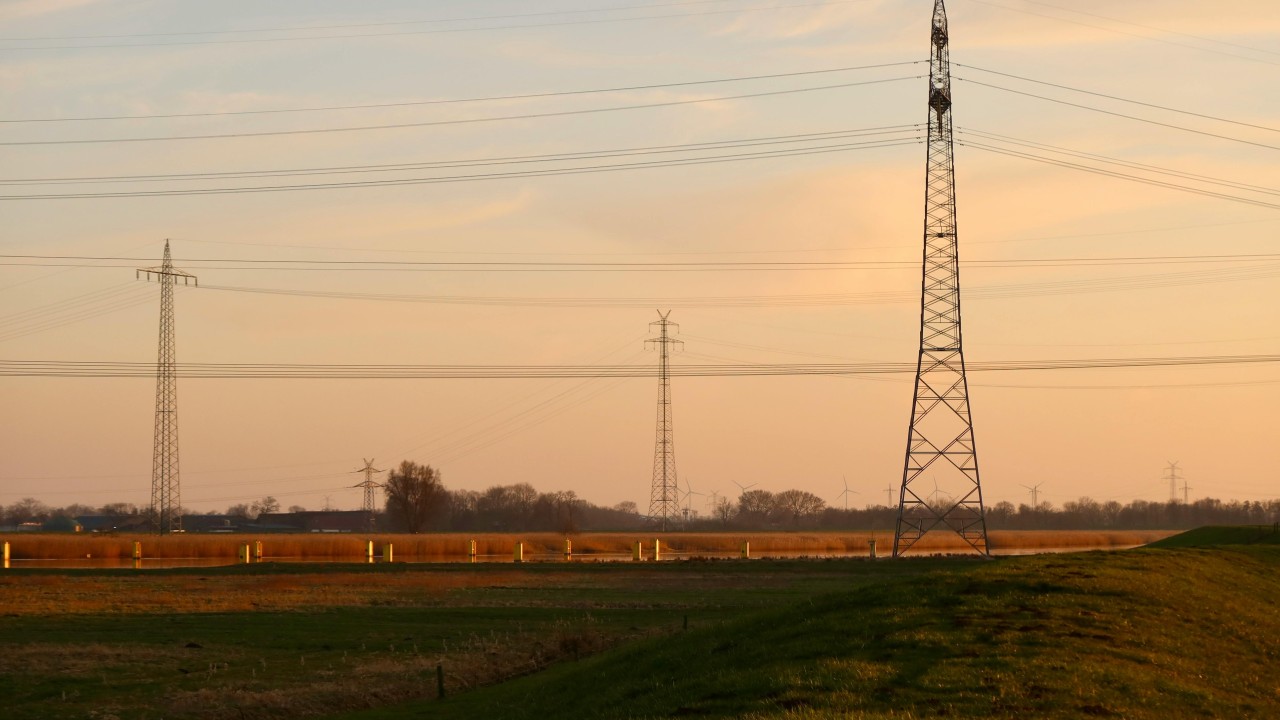
The electricity grid is full, and that directly affects the housing challenge.
According to NOS, from 1 July the electricity grid in parts of Utrecht and North Brabant will be shut to additional connections. No new or higher-capacity connections, while Eindhoven alone wants to build 30,000 homes by 2030.
The result: plans are delayed or cancelled. Not because land is lacking, not because there is no permit, but because there is simply no electricity available.
What stands out: for years, grid congestion was only factored into housing plans at the last moment, while it is now one of the biggest bottlenecks across the entire chain. From property developer to municipality to grid operator, everyone is affected.
Initiatives such as grid-aware building (local energy generation, neighbourhood batteries, shared heat pumps) offer potential, but they also make homes EUR 10,000 to 15,000 more expensive. And that is in a market already under pressure from rising construction and labour costs.
The question that concerns us: how do municipalities and regions ensure that grid capacity becomes a fully integrated part of housing planning, rather than an obstacle that only emerges later?
At Clappform, we believe this starts with insight. That is why we include grid congestion data in planned capacity in the Housing Monitor and Public-Private Monitor (PPM), so that municipalities, regions and developers can already see in the planning phase where grid capacity is constrained and where there is room to continue building.
How is your municipality or region handling this? Is grid congestion already included in the planning phase?
Read the full article: The congested electricity grid and housing development: 'Looking at smarter solutions'